October 28, 2026
Replacing or repairing a roof is a significant investment, and choosing the right professional can make a substantial difference in the results. A well-installed roof helps protect your home from moisture, temperature fluctuations, and weather-related damage. However, finding a qualified professional involves more than comparing estimates or choosing the lowest price. You also need to understand the contractor’s experience, recommended materials, project schedule, and approach to warranties.
Asking thoughtful questions before signing a contract helps you evaluate your options and identify potential problems before work begins. It also establishes clear expectations about communication, costs, and the quality of the finished project. Whether you need a minor repair or a complete roof replacement, taking time to interview each roofing contractor can help you make a more confident decision.
What Is Your Experience and Expertise in Roofing?
Experience is one of the first things to investigate when evaluating a roofing professional. Although a contractor may advertise a wide range of services, you should determine whether they have the specific skills needed for your project. Installing asphalt shingles, repairing a metal roof, and working with slate or tile can require different techniques, tools, and levels of expertise.
Ask how long the company has been in business and what types of roofing projects it regularly completes. If your home has an unusual roof design, multiple slopes, skylights, or complicated flashing, find out whether the contractor has handled similar situations before. Experience with comparable projects can provide valuable insight into their ability to address potential complications.
You should also ask whether the contractor holds the licenses required in your area and carries appropriate liability insurance and workers’ compensation coverage. Requirements vary by location, so verify the applicable rules rather than assuming every contractor meets them. Request documentation of insurance and confirm that the policies are current.
Another useful question concerns the people who will perform the work. Will the company use its own employees or subcontractors? If subcontractors are involved, ask how their qualifications are verified and who supervises the project.
Can You Provide References or Testimonials From Previous Clients?
A contractor’s experience tells you something about their capabilities, but feedback from previous customers can help you understand what it is like to work with them. References offer an opportunity to learn about the company’s reliability, communication, professionalism, and ability to resolve problems.
Ask for references from customers whose projects resemble yours. Someone who recently completed a full roof replacement may provide more relevant feedback than a homeowner who only needed a small repair. If possible, request examples of completed projects so you can assess the quality and consistency of the contractor’s work.
When speaking with references, consider asking several specific questions. Did the contractor arrive when expected? Was the original estimate reasonably accurate? Did the crew maintain a clean and safe worksite? How did the company respond when unexpected issues arose? Would the customer hire the contractor again?
Online reviews can supplement these conversations. Look for patterns across multiple reviews rather than focusing exclusively on individual complaints or glowing recommendations. Consistent reports of missed deadlines, poor communication, or unresolved leaks deserve attention.
What Types of Roofing Materials Do You Recommend?
Roofing materials influence your home's appearance, maintenance requirements, energy performance, and long-term costs. Rather than asking only which material is cheapest, ask the contractor which options make sense for your home and why.
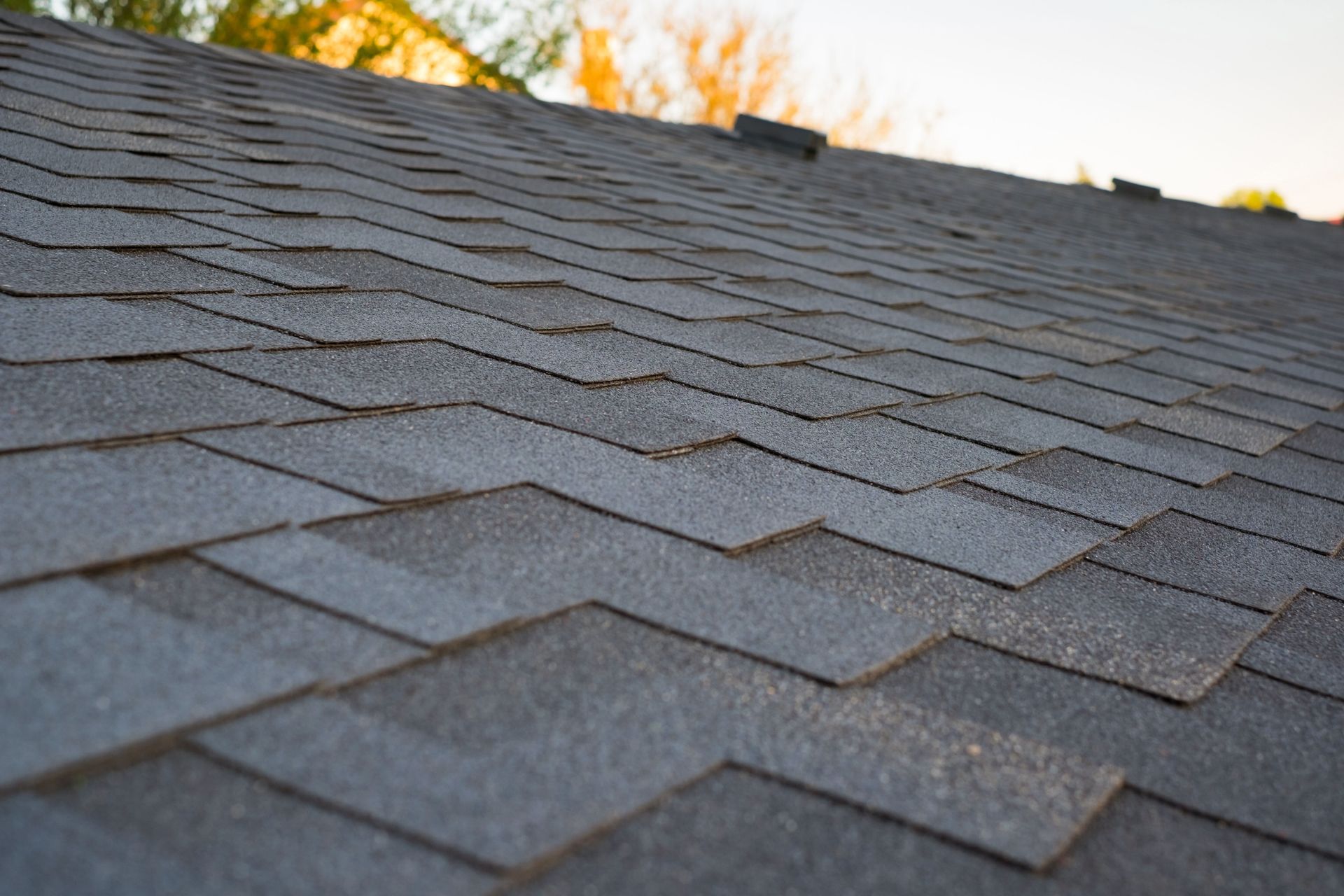
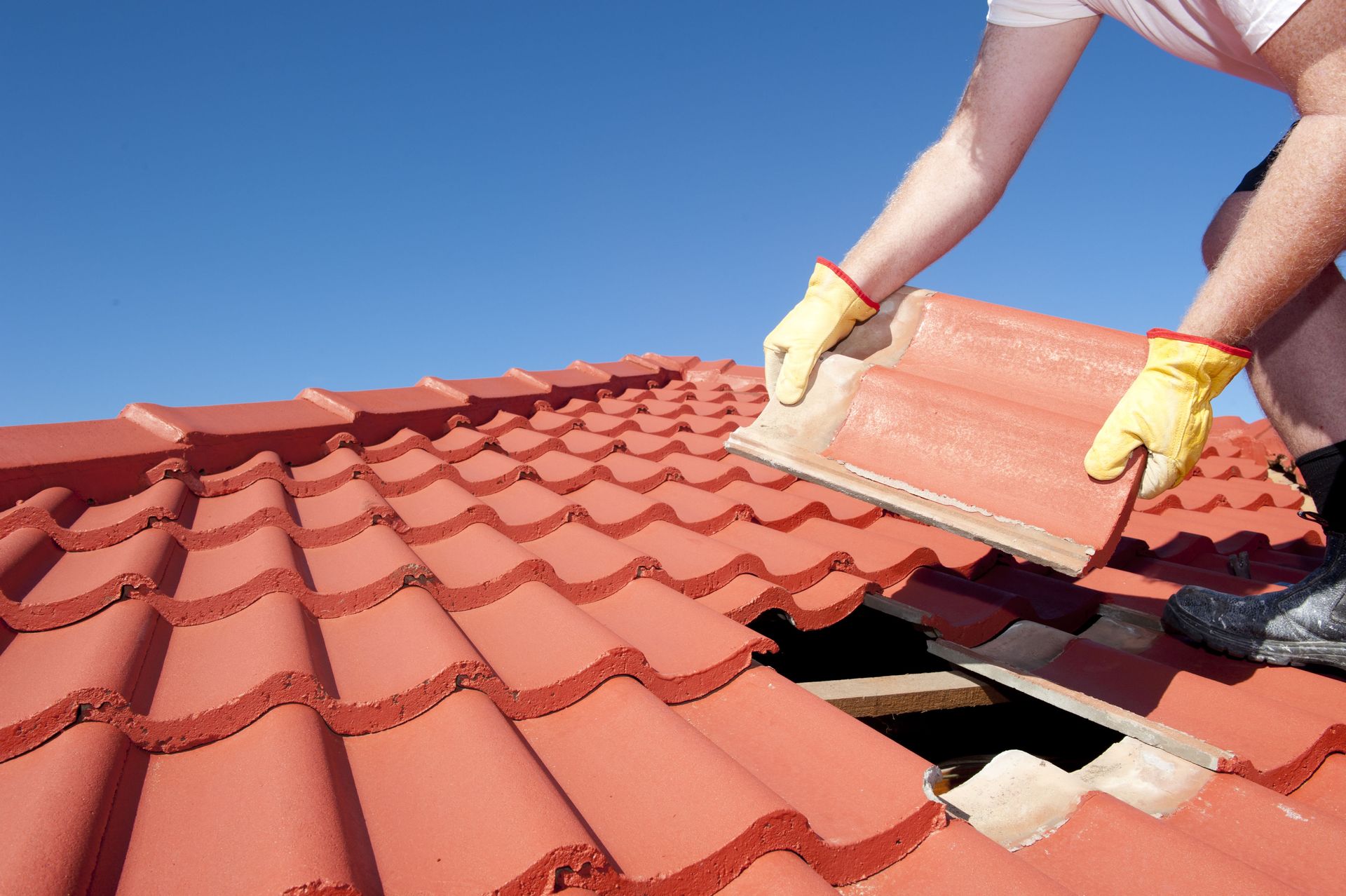
Asphalt shingles remain a common choice because they are widely available and generally less expensive to install than many alternatives. Metal roofing can offer durability and relatively low maintenance, while slate and tile may provide distinctive appearances and long service lives when properly installed. Each option has different installation requirements, structural considerations, and upfront costs.
According to Ruby Home, the average roof lasts between 20 and 50 years, depending on the roofing type and the quality of its materials. This range illustrates why material selection deserves careful consideration. Your roof's actual lifespan will also depend on installation quality, local weather, ventilation, maintenance, and other factors.
Ask the contractor to explain the expected lifespan of each recommended material under conditions similar to those in your area. If you live somewhere with heavy snowfall, strong winds, or frequent temperature changes, find out how the proposed roofing system handles those conditions.
You should also discuss the quality and specifications of the materials being quoted. Two estimates may both describe asphalt shingles, for example, while specifying products with different performance characteristics and manufacturer warranties.
What Is the Estimated Timeline for Completing the Roofing Project?
Understanding the project schedule helps you plan around construction noise, property access, and potential disruptions to your household. Before agreeing to the work, ask when the contractor expects to begin, how long the project should take, and what circumstances could affect the schedule.
The timeline will depend on the roof's size, its complexity, the materials involved, and the extent of any underlying damage. Replacing shingles on a straightforward roof may take considerably less time than installing a complex roofing system or repairing extensive damage to the roof deck.
Weather is another important consideration. Rain, snow, high winds, and unsuitable temperatures can delay roofing work or affect how certain materials should be installed. Material availability, permit requirements, and scheduling conflicts can also influence the start date.
Ask how the contractor will protect your home if work is interrupted unexpectedly. Find out what measures the crew uses to cover exposed areas and prevent water from entering the building overnight or during changing weather conditions.
Communication is equally important. Establish who your primary contact will be and how you will receive updates about delays, discoveries, or changes to the schedule. You should also ask whether the company will provide advance notice before arriving and explain any temporary access restrictions.
Do You Offer Warranties or Guarantees for Your Work?
Warranties are an important part of evaluating a roofing proposal because they help clarify what protection you receive if something goes wrong. However, not all warranties cover the same issues, so you should understand the differences before signing a contract.
Most roofing projects may involve two distinct forms of protection: manufacturer warranties and workmanship warranties. A manufacturer warranty generally covers specified defects in roofing products, subject to its terms and exclusions. A workmanship warranty, when offered, addresses certain problems resulting from installation errors.
Ask how long each warranty lasts, what it covers, and whether any conditions must be met to maintain coverage. For example, some warranties may require particular installation methods, approved components, or routine maintenance. Damage caused by severe weather, neglect, or other excluded circumstances may not qualify for coverage.
You should also clarify how warranty claims are handled. If a leak develops after the installation, who should you contact? Will the company inspect the problem, arrange repairs, and cover applicable labor costs? Understanding the process beforehand can prevent confusion later.
Make an Informed Decision Before Signing
Choosing a roofing professional becomes easier when you know what to ask and how to evaluate the answers. Questions about experience, customer references, materials, scheduling, and warranties provide a practical starting point for comparing candidates and identifying potential concerns.
Ultimately, the right
roofing contractor is one who combines relevant experience with transparent communication, appropriate insurance, realistic recommendations, and clear written commitments. Taking the time to ask these questions can help you protect your investment, reduce avoidable surprises, and move forward with greater confidence in your roofing project. If you need a roof, reach out to Trama Roofing today!